Finding Social Groups

Engaging, Neuro-Affirming Spaces That Actually Work
Let’s be honest: when you search for "social groups," you want to find options that you or your child will actually enjoy. We’re talking about groups that aren't boring, cater to specific interests like gaming or being outdoors, and most importantly, are designed for neurodivergent individuals.
Finding the right environment can make a world of difference in building social confidence and making genuine connections. To help you on your search, we’ve rounded up our top three picks for engaging social groups, along with a few tips on what to look for before signing up.
Our Top 3 Social Group Picks:
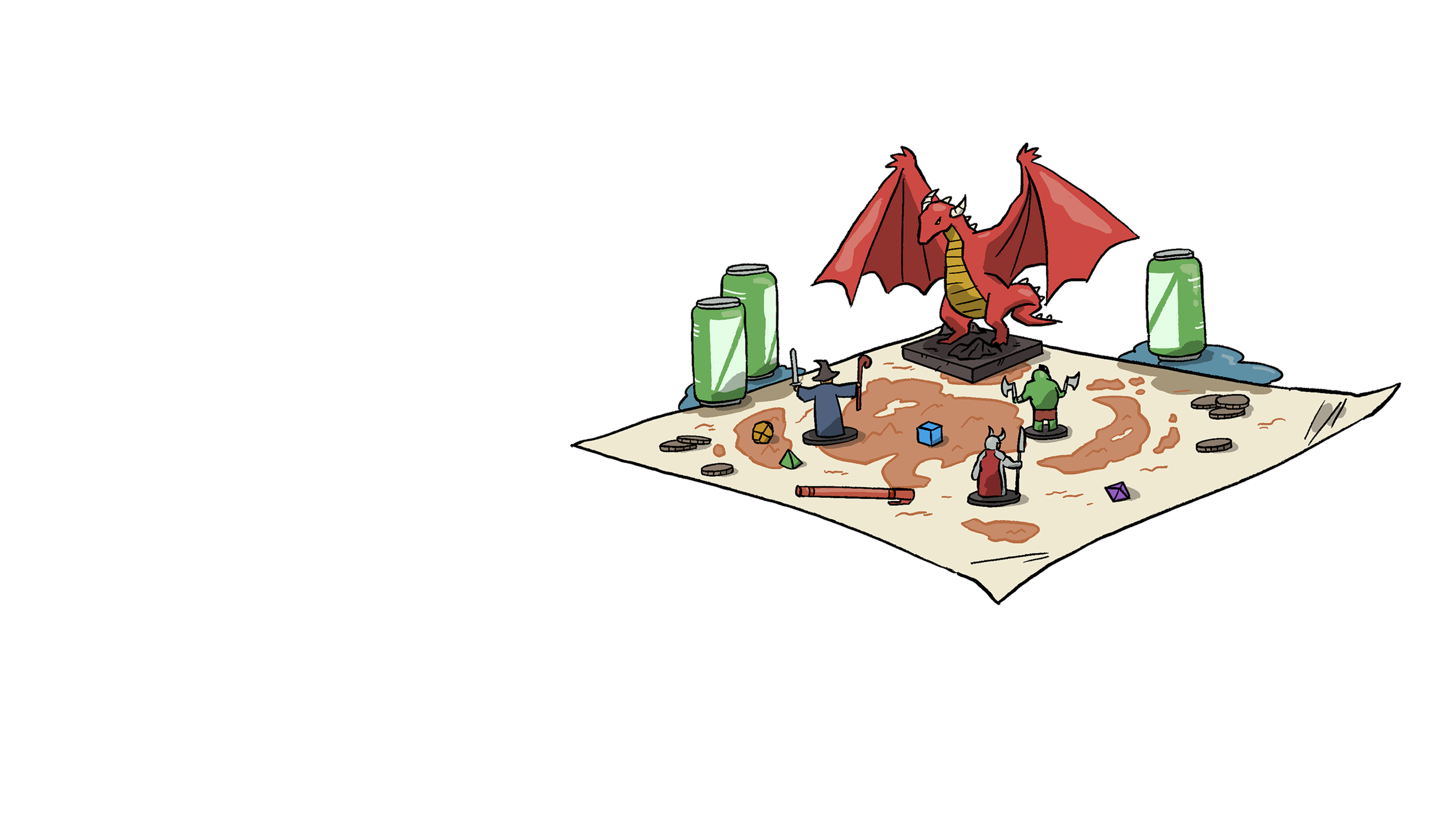
Dragons of the Spectrum (Dungeons & Dragons)
This fantasy role-playing program uses the framework of D&D to help participants work on social confidence, emotional awareness, peer connection, and teamwork. It provides a highly supportive and neuro-affirming environment where imaginations can run wild.
Age Range: 10+
Duration: 10-week program (weekly 120-minute sessions)
Format: Face-to-face
Size: Small groups (4 max)
The Professional Edge: Designed by a clinical psychologist with a background in social development research and extensive experience working with neurodiverse children and teenagers.
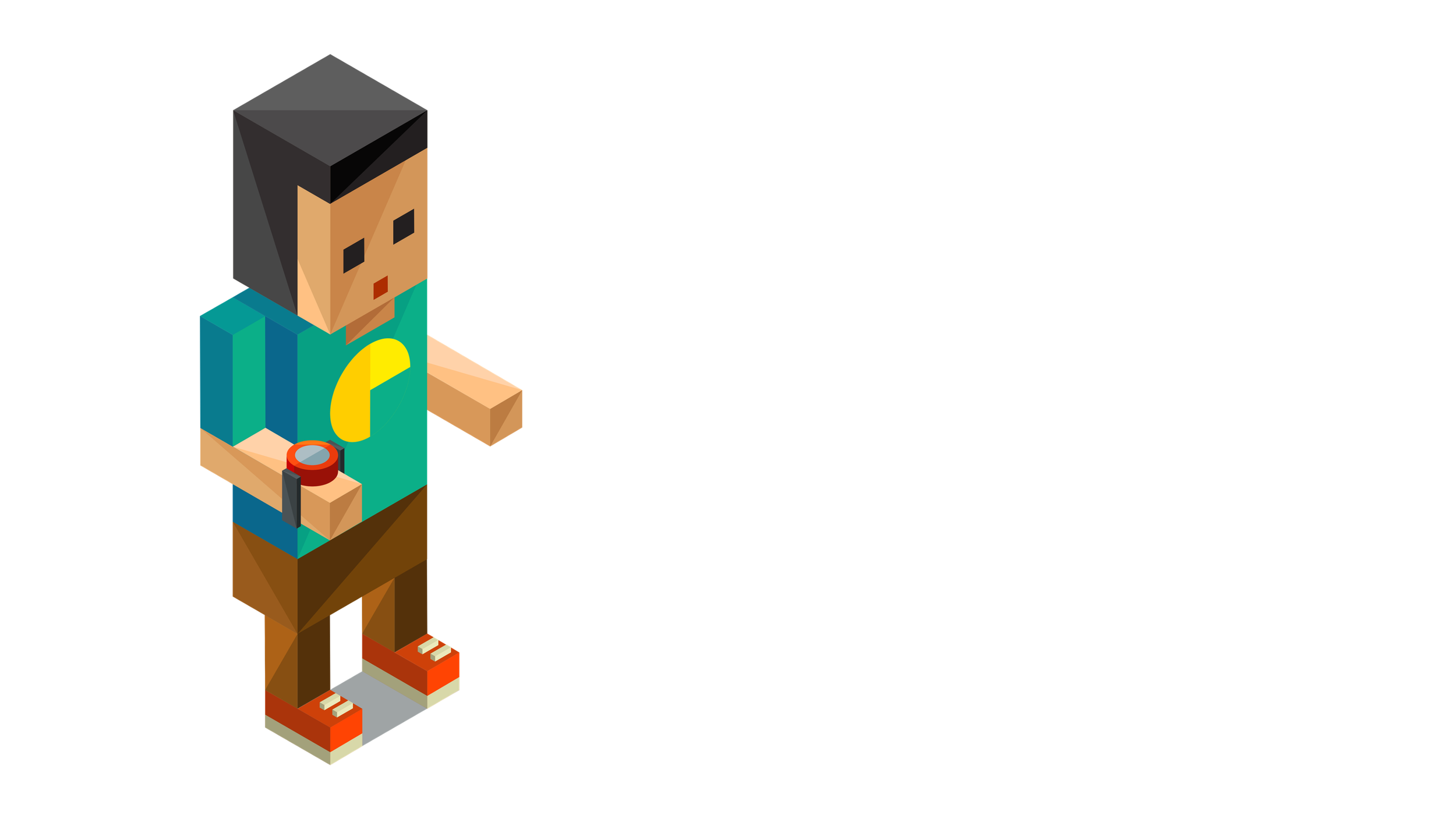
Minecraft Social Groups
With over 200 million players annually, Minecraft is a global phenomenon. Turns out, it’s also an ideal platform for learning conversation skills, teamwork, and emotional regulation! Strive Social runs an awesome PEERS Minecraft group that brings kids together over a shared love of building and exploring.
Age Range: 8–14
Duration: 10-week program (weekly 90-minute sessions)
Format: Online (Available Australia-wide)
Size: Small groups (6 max)
The Professional Edge: Designed by a Speech Pathologist who adapts the evidence-based PEERS social skills program into the Minecraft environment, ensuring sessions are both effective and incredibly fun.

Brick-by-Brick Lego Groups
Not only does Lego support problem-solving, creativity, and fine motor skills, but it’s also an incredible tool for building connections. The ‘Brick-by-Brick’ program is a true leader in social communication and emotional wellbeing support, relying on collaborative building to foster friendships.
Age Range: Adaptable for anyone from preschool age to young adults
Duration: Typically run weekly during school terms (90-minute sessions)
Format: Face-to-face
Size: Varies, but typically does not exceed 6 participants
The Professional Edge: Designed by psychologists and rooted in the most recent evidence-based research.
3 Tips: How to Choose a Good Social Group
When exploring your options, keep these three key questions in mind to ensure you're getting the best support possible:
Is the program neuro-affirming?
Good social groups shouldn't be about "masking" or changing who you are. They should give you confidence and celebrate your individuality!Who created or runs the program?
Look for groups facilitated by Psychologists, Occupational Therapists, Speech Pathologists, or other professionals with specific training in social communication. If a group isn't run by an allied health professional, it doesn't mean it's inherently bad—but you should be mindful that their teachings may not be grounded in current clinical research and evidence.Does it align with your NDIS funding?
Always check that the group accepts NDIS funding and verify that your specific NDIS plan includes the correct funding categories to cover the costs.